Trial By Fire
Joe Meade: The experience behind JGM
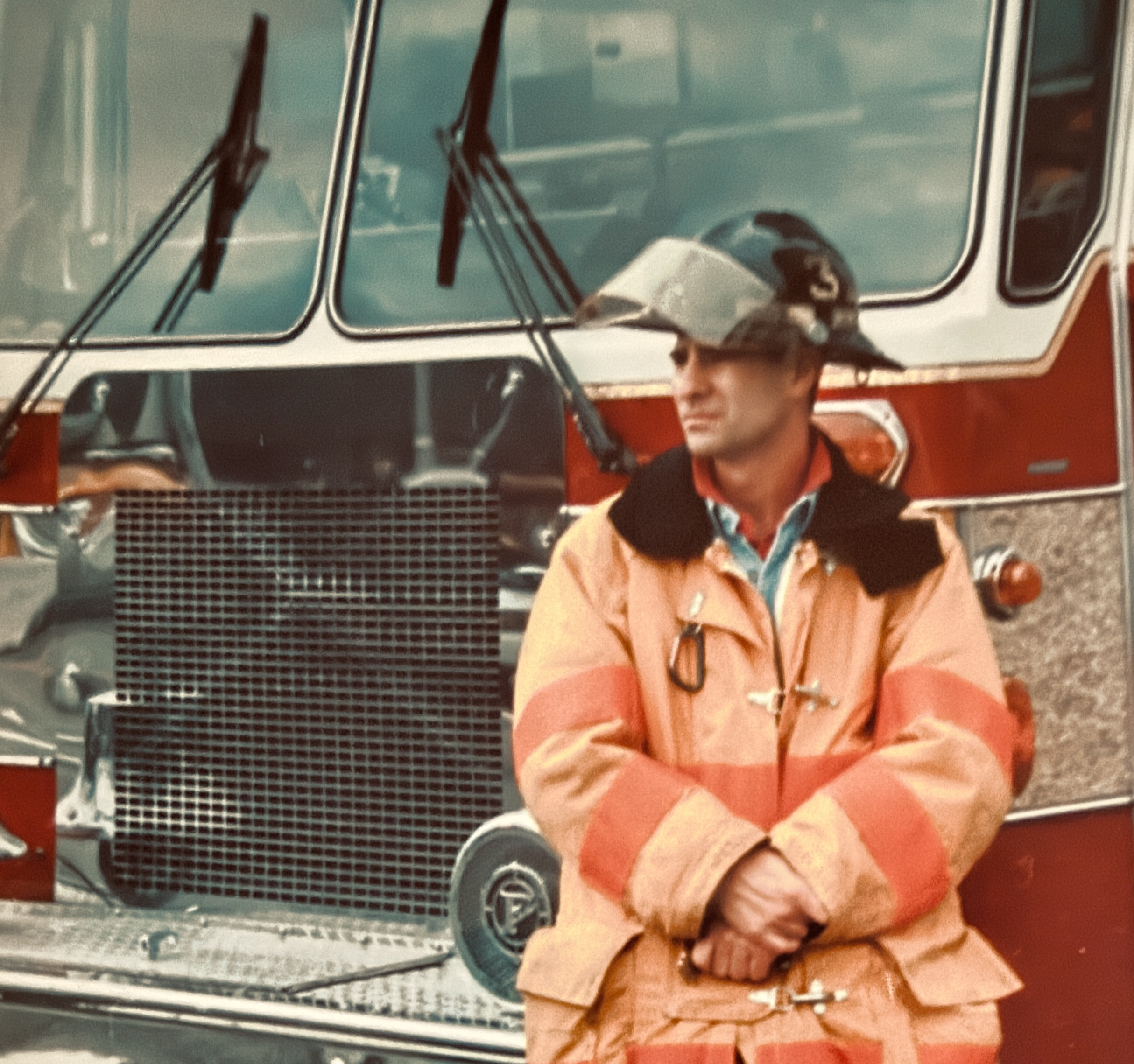
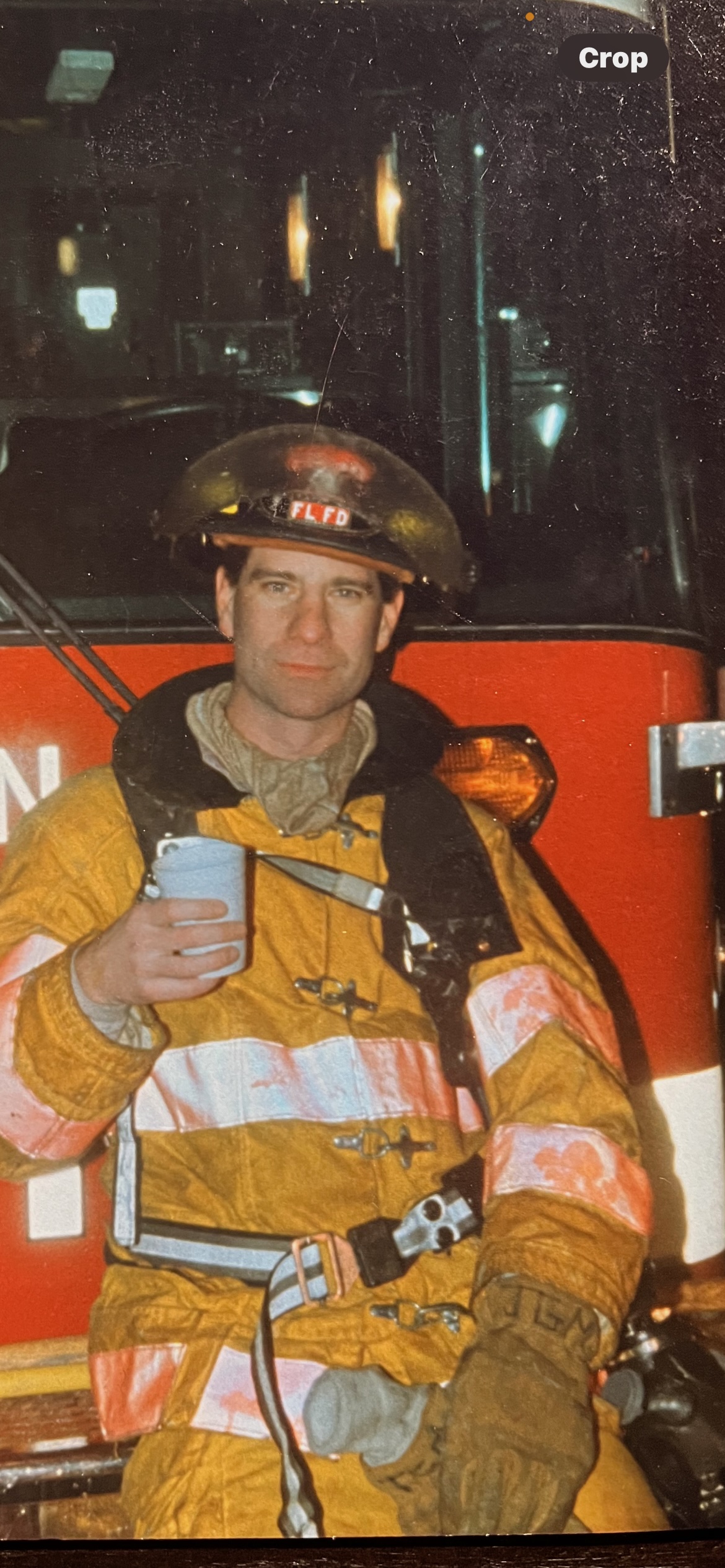
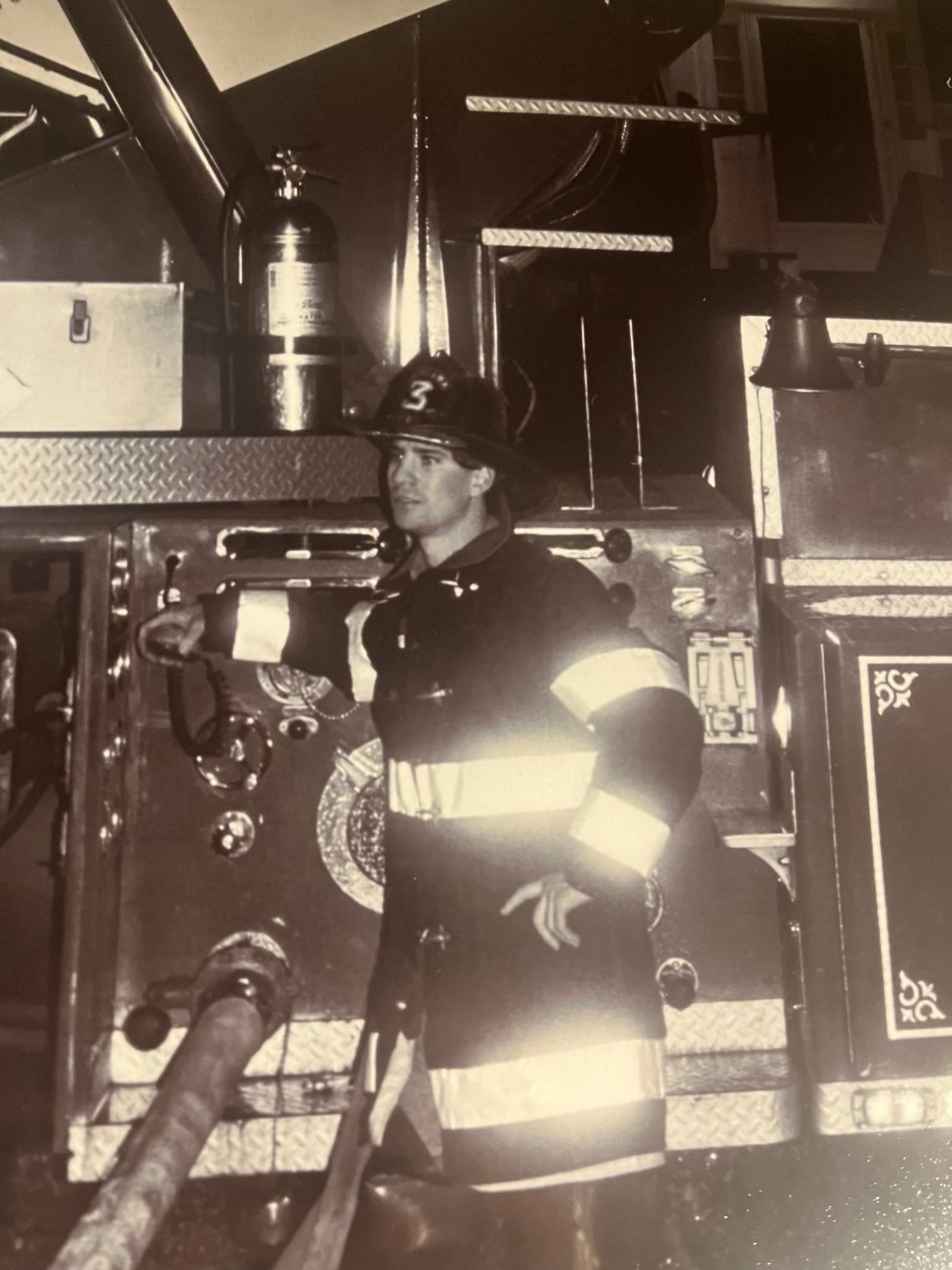
Before safety became his profession, Joe Meade learned it from the responder’s side of an emergency.
What he learned there would shape nearly everything that followed.
A career on dual tracks
Joe’s experience is a fusion of two highly specialized, safety-critical professions. Within weeks of starting his railroad career, he entered the professional fire service in New Jersey.
For the next 25 years, firefighting and railroading ran in parallel, with Joe rising through the ranks in both.
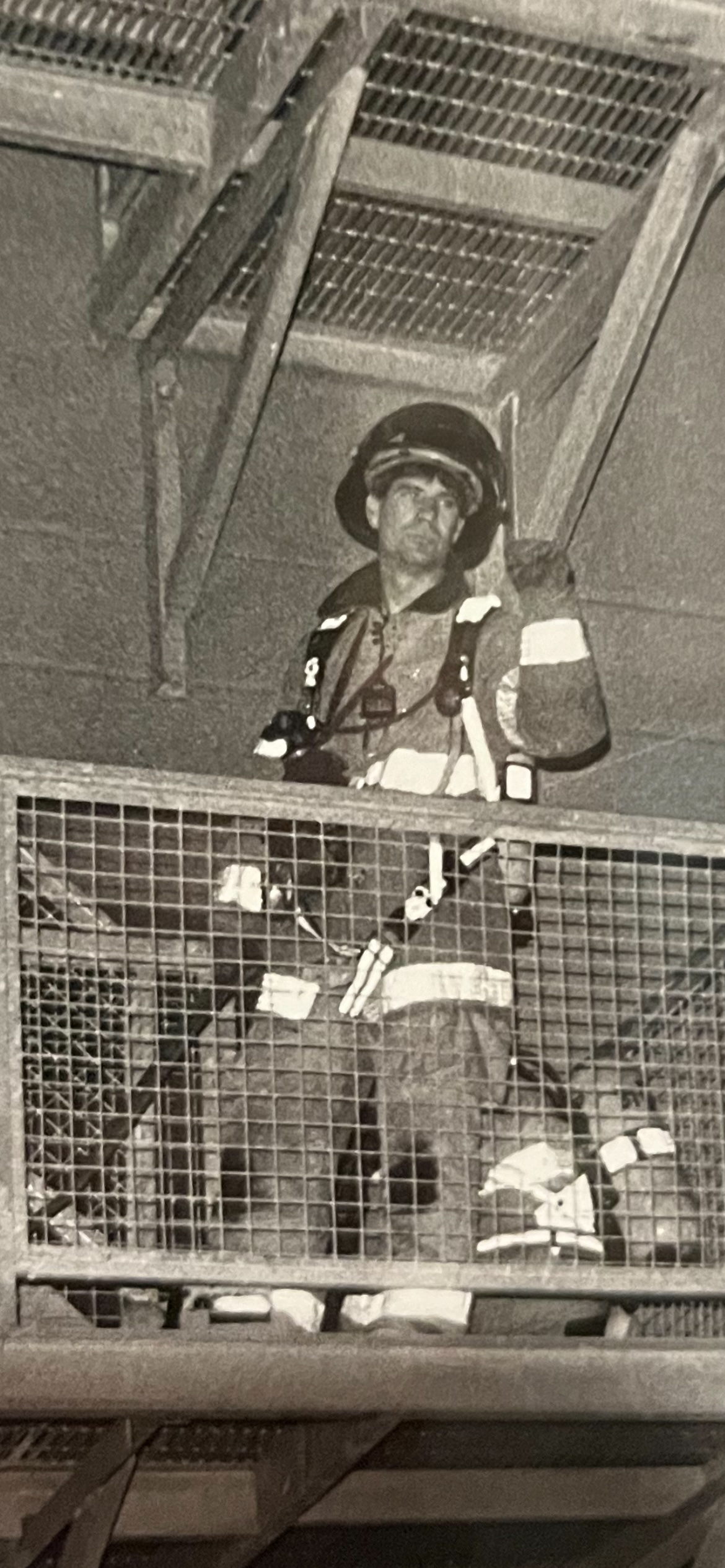
As a New Jersey Level III firefighter, he gained experience in urban firefighting, hazardous-materials response, incident command, and emergencies where information is incomplete and conditions change quickly.
Decisions were measured in minutes. Not meetings.
The fire service taught him how responders think, how command works under pressure, and how information moves when people need it most. It also taught him how quickly the quality of communication can affect an outcome.
The railroad taught him how complex transportation systems behave in the real world.
Each made him better at understanding the other.
That combination became central to his work training emergency responders for railroad incidents, including through the Bergen County Fire Academy, and later to the safety work he would lead across passenger rail.
Railroading.
From the ground up.
Joe learned railroading inside the operation, from the bottom up.
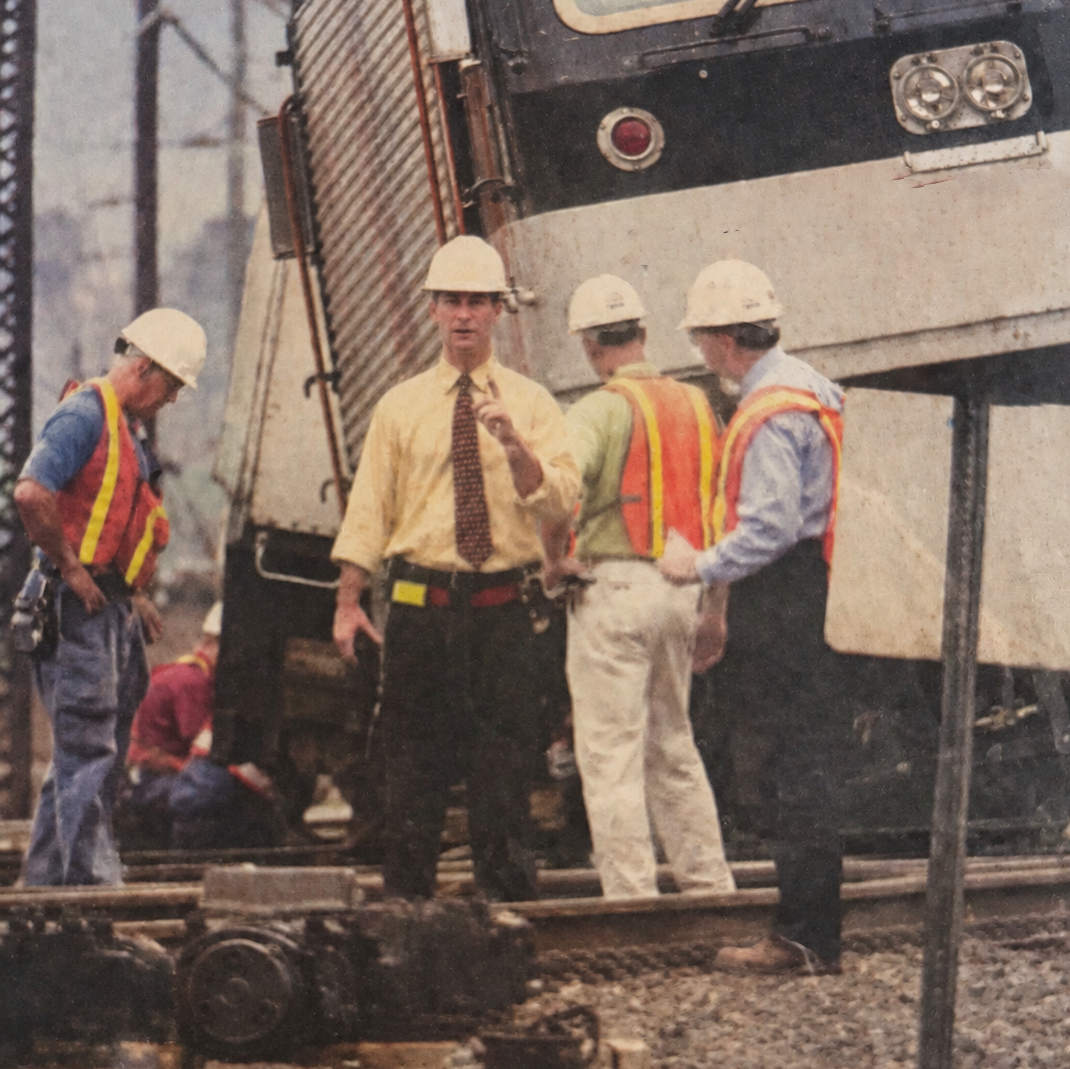
Over a career spanning four decades at NJ TRANSIT, he worked his way through the organization, from ticket agent to dispatcher, trainmaster, and senior leadership.
Each role added another perspective on the operation. The priorities of locomotive engineers were not the same as those of conductors. Dispatchers saw things differently than trainmasters. Operational needs could conflict with maintenance capacity.
Joe came to understand the railroad as a system of interconnected disciplines, with customers at the center. Crews, dispatching, maintenance, equipment, and infrastructure all had to come together to make service happen.
As General Superintendent of NJ TRANSIT’s sprawling Hoboken Division, Joe had responsibility for passenger rail service on seven lines stretching from Port Jervis, New York, and the western reaches of northern New Jersey east to Hoboken Terminal.
Joe was instrumental in the launch of Midtown Direct service to New York Penn Station, as well as the opening of the transformative Frank R. Lautenberg Rail Station at Secaucus Junction, a major transfer station that shortened commute times for thousands of daily riders on the Main, Bergen County, and Pascack Valley lines.
He knew the railroad from the ground up because he had worked through it.
Operations to Oversight
After decades inside railroad operations, Joe’s perspective widened again.
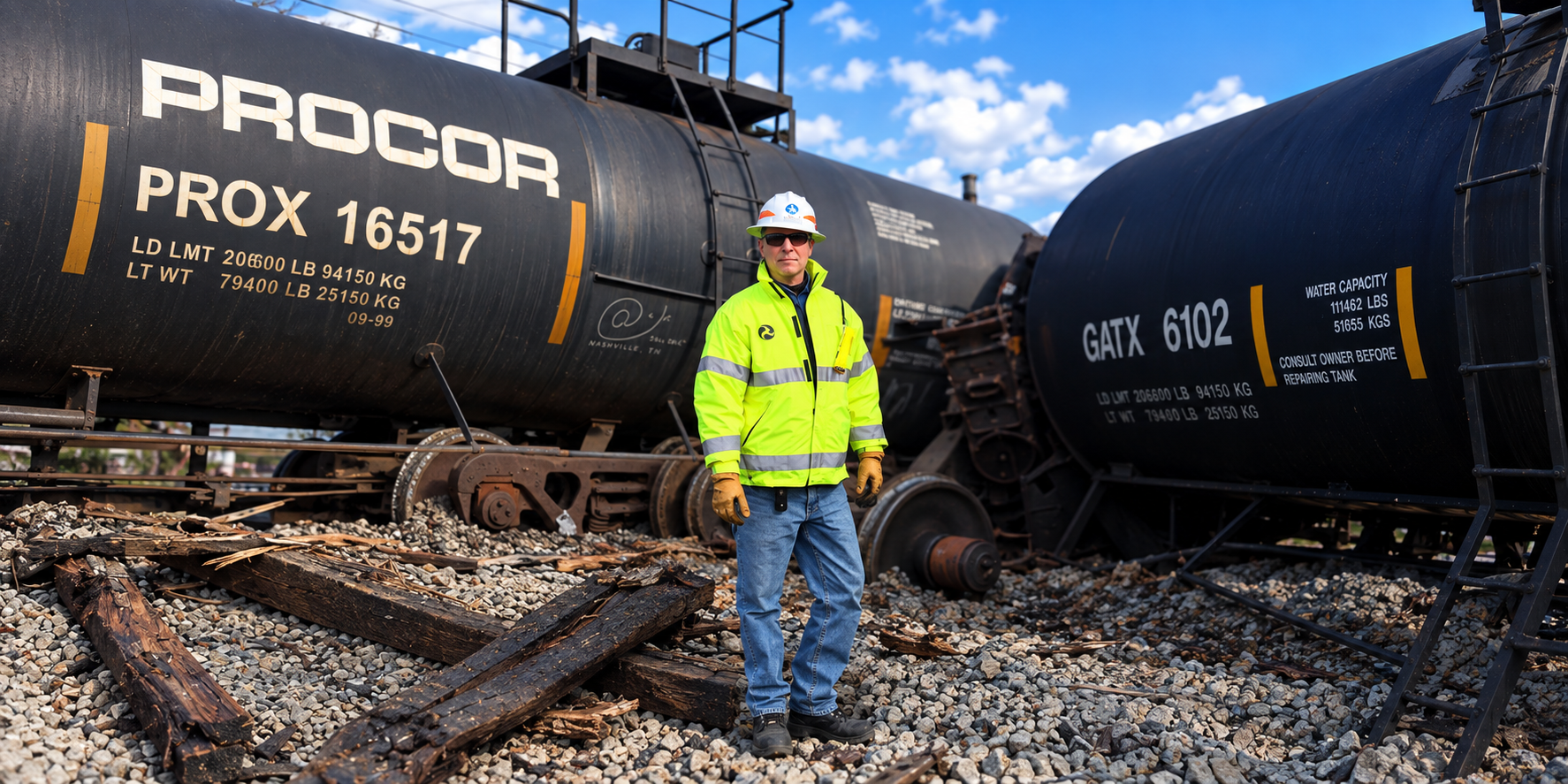
He went from running the railroad to examining how railroads operate from the regulatory side, serving as a Railroad Operating Practice Safety Inspector with the Federal Railroad Administration.
The vantage point changed. The operating experience did not.
Years spent dispatching trains, managing crews, running service, and leading a division gave him something regulations alone cannot provide: an understanding of how requirements meet the realities of an operating railroad.
That combination — operator and oversight — would become central to the safety work that followed.
Experience.
When there was no playbook.
Superstorm Sandy: Wind, water, and unprecedented devastation
Some of the most important lessons came when normal operations stopped being normal.
Major incidents collapse organizational boundaries quickly. Operations, emergency response, employee safety, customer information, executive decision-making, public communications, and recovery become parts of the same problem.
Joe had learned that lesson in the fire service, too.
At NJ TRANSIT, he would experience it again on a much larger scale.
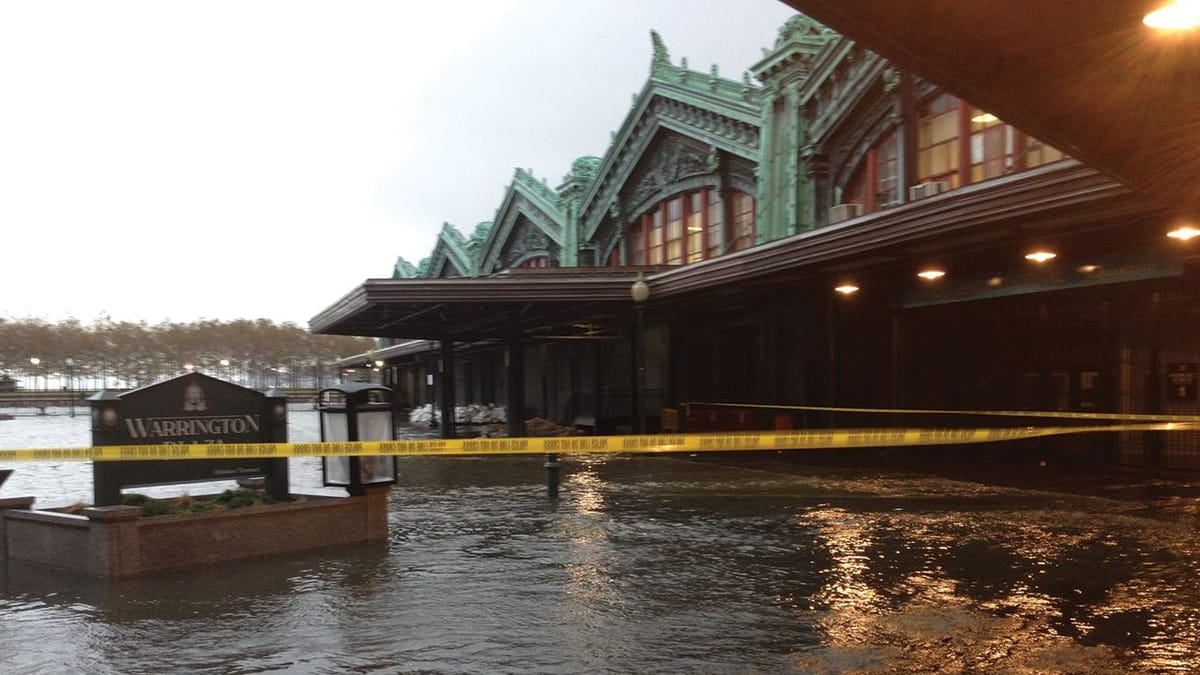
Superstorm Sandy devastated low-lying railroad infrastructure, flooding facilities and critical passenger areas and damaging the systems the railroad depended on to operate.
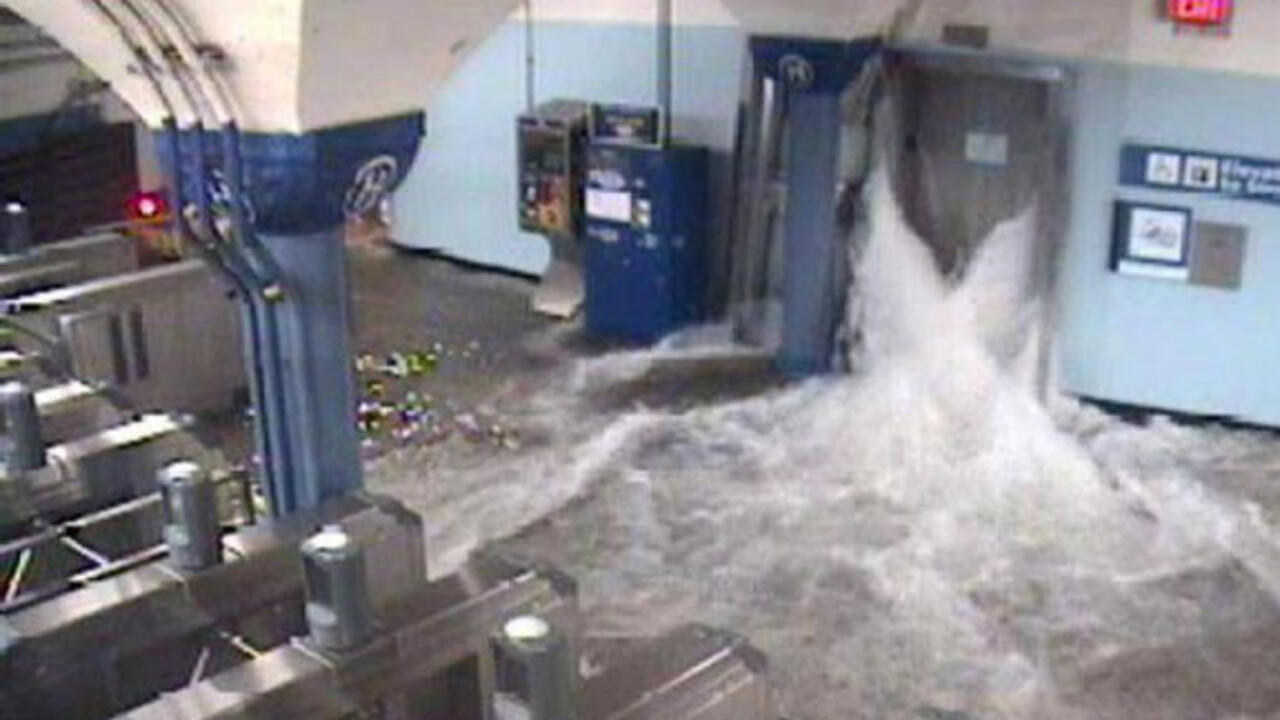
Responders needed information. Employees needed direction. Customers needed answers. Operating decisions and public communications had to move together while the system worked toward recovery.
This was where Joe’s experience converged: firefighter, railroad operator, executive, communicator.
Building Something New
In 2017, Joe brought that accumulated experience to Brightline as Director of Safety.
This time, the challenge was different.
Brightline was preparing to launch the first new privately operated intercity passenger rail service in the United States in a century, ultimately connecting Miami and Orlando with trains reaching 125 mph.
But this was not a railroad being built entirely on new, isolated right-of-way.
Between Miami and Cocoa, Brightline would operate over the historic Florida East Coast Railway corridor, running through densely populated communities including West Palm Beach, Fort Lauderdale, Hollywood and Miami.
- Grade crossings
- 327
- Miles
- 195
Legacy corridor through densely populated South Florida communities.
The 195-mile legacy corridor included 327 grade crossings. Each crossing had to be evaluated for the introduction of higher-speed passenger service—but crossing density was only the first challenge.
The railroad ran through densely populated communities accustomed to slow, lumbering freight trains. Faster passenger service would change the rhythm of a corridor people thought they knew.
Much of that corridor was open, with established patterns of trespassing across the tracks. Language barriers complicated public outreach, and some crossing configurations created confusion for drivers. Quiet-zone operations added another layer to the safety challenge.
Addressing those conditions required more than inspecting crossings. The work brought together warning-system upgrades, four-quadrant gates where required, fencing, channelization, signage, and a sustained effort to change how people understood and used the corridor.
Joe became the railroad’s envoy to fire and rescue services and law-enforcement agencies in every county and community along the line. He built the relationships that connected the railroad’s safety planning with the people who would respond when something went wrong.
That meant planning and executing federally required annual training exercises, and direct coordination with more than 40 local agencies, preparing responders for passenger trains moving faster than the freight traffic communities had long known.
Public communication mattered just as much. Outreach had to work across languages and address familiar habits: crossing the tracks on foot, navigating confusing intersections, and judging an approaching train by the behavior of yesterday’s railroad.
Joe’s responsibilities also included Emergency Action Plans, regulatory compliance, safety training, injury and incident investigations, corrective actions, coordination with the Federal Railroad Administration, and Operation Lifesaver activity.
The larger task was building a culture of safety around the railroad—not just within it. Infrastructure, operating practices, enforcement, emergency preparedness, and public understanding all had to work together.
Now, helping build safety into a new passenger railroad from the beginning.
Firefighter.
Railroader.
Inspector.
Mentor.
Advisor.
Today, those experiences inform the work Joe brings to JGM.
He has seen transportation from the responder’s side, the operating side, the executive side, the regulatory side, and the safety side.
He has also spent years passing that experience on — to railroad employees, emergency responders, colleagues, and the next generation of people responsible for keeping complex systems safe.
The work today is informed by the moments when theory stopped being theory.
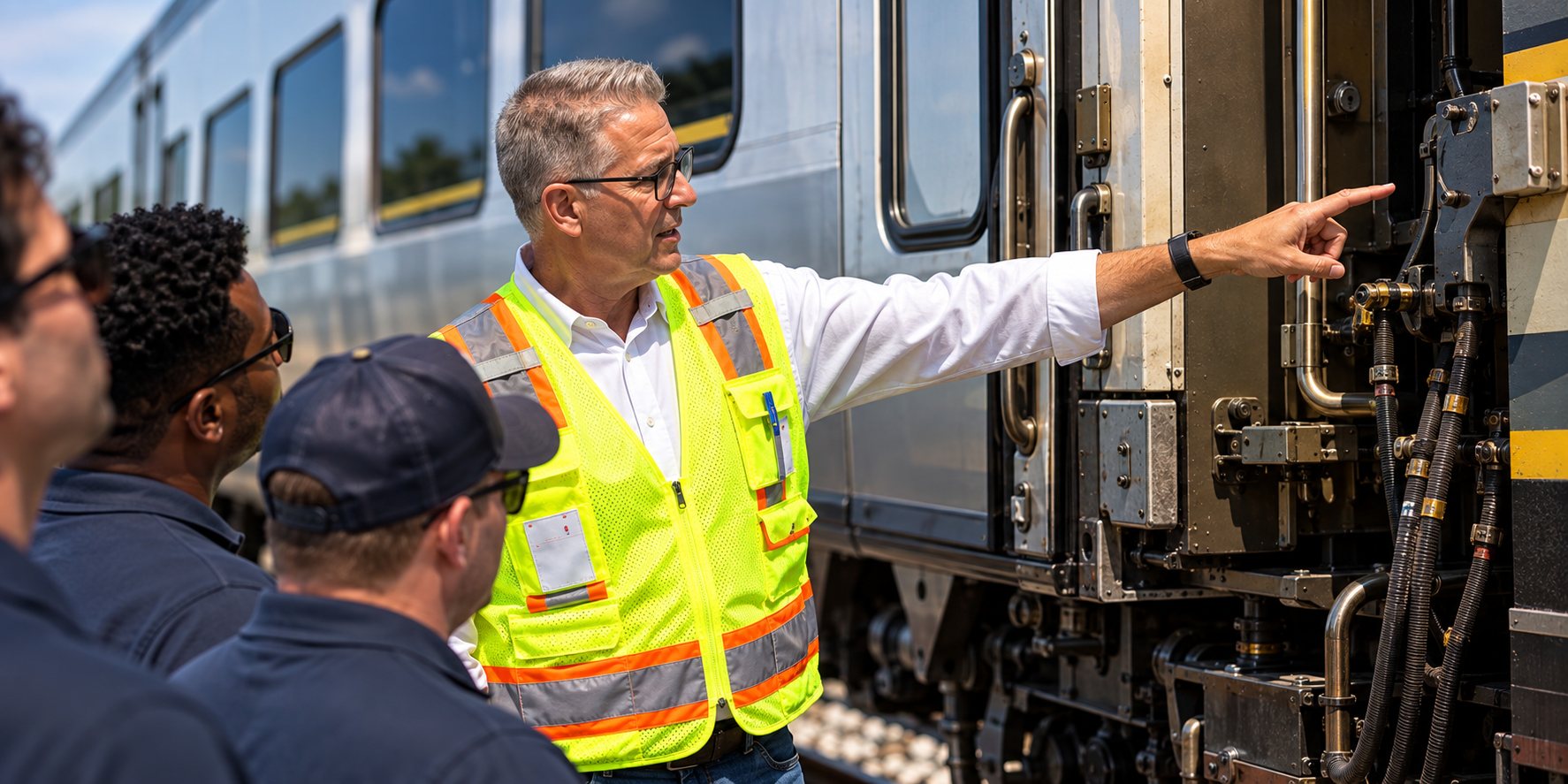
JGM believes there is no substitute for real-world experience.
Joe has it in spades.
Areas of Expertise
Federal railroad safety regulations under 49 CFR Parts 200–299, with particular focus on:
Part 238 — Passenger Equipment Safety Standards
Safety requirements for passenger rail equipment, including:
- Design and construction
- Braking systems
- Fire safety
- Emergency systems
- Equipment inspection, testing, and maintenance
Part 239 — Passenger Train Emergency Preparedness
- Emergency preparedness plans
- Employee training and qualification
- Coordination with emergency responders
- Passenger evacuation
- Emergency communications
- Full-scale emergency simulations
- Post-event debriefing