Safety is built into the operation.
Good rail safety is not a layer added after the fact. It is embedded in operating rules, training, infrastructure, supervision, compliance, and the everyday decisions that shape how a railroad functions.
We see the system, not just the symptom.
Risk rarely lives in one place.
People, procedures, equipment, infrastructure, supervision, and operating pressure interact. A problem that appears isolated may be the visible result of something much broader.
Effective safety work means understanding those relationships before prescribing a fix.
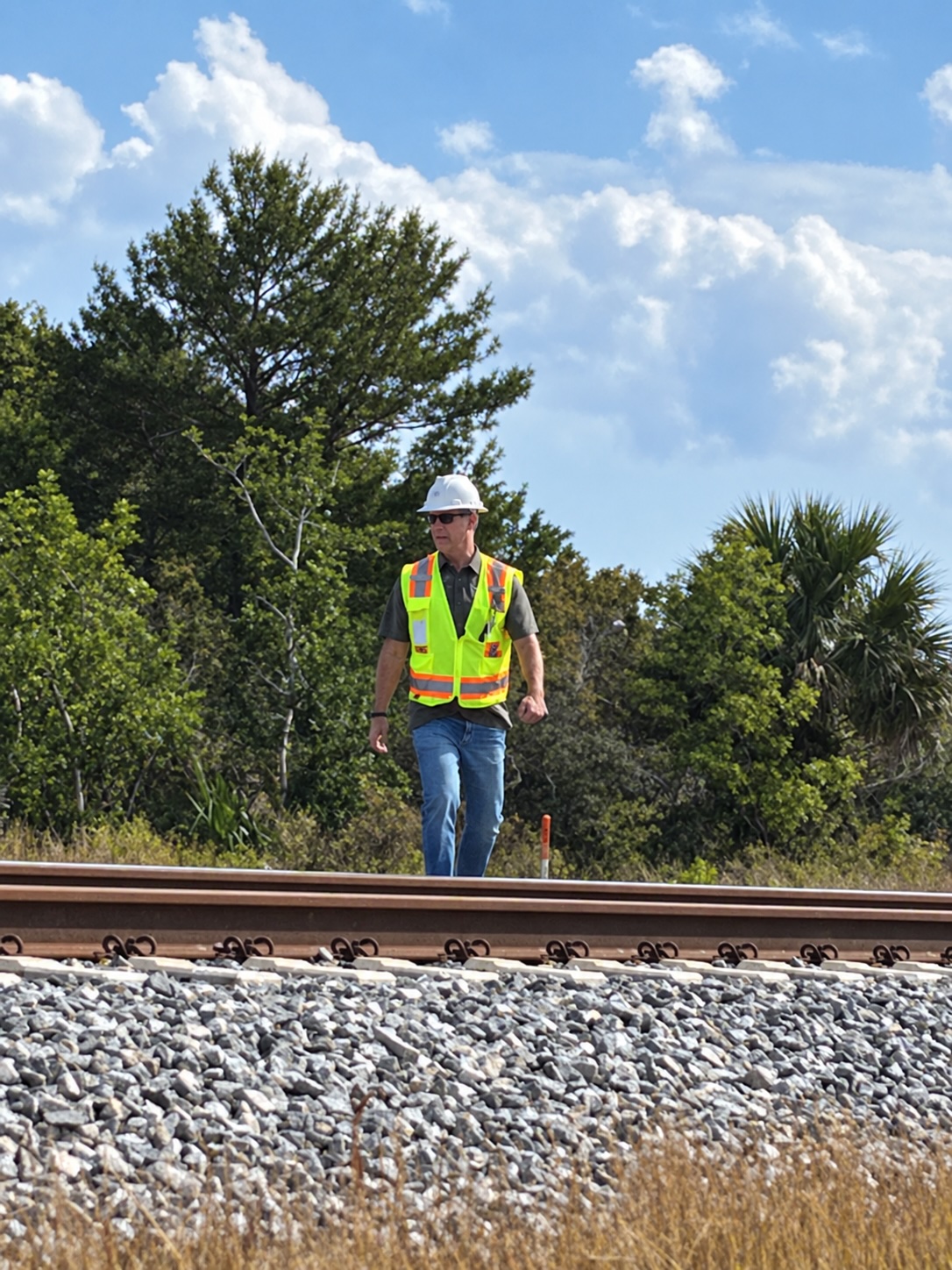
Closing the gap between rule and reality.
Policies can be sound on paper and still fail in practice.
The real work is understanding how rules function in the operating environment: how they are interpreted, how they are applied, where friction develops, and whether the intended safety outcome is actually being achieved.
That requires operational experience as well as regulatory knowledge.
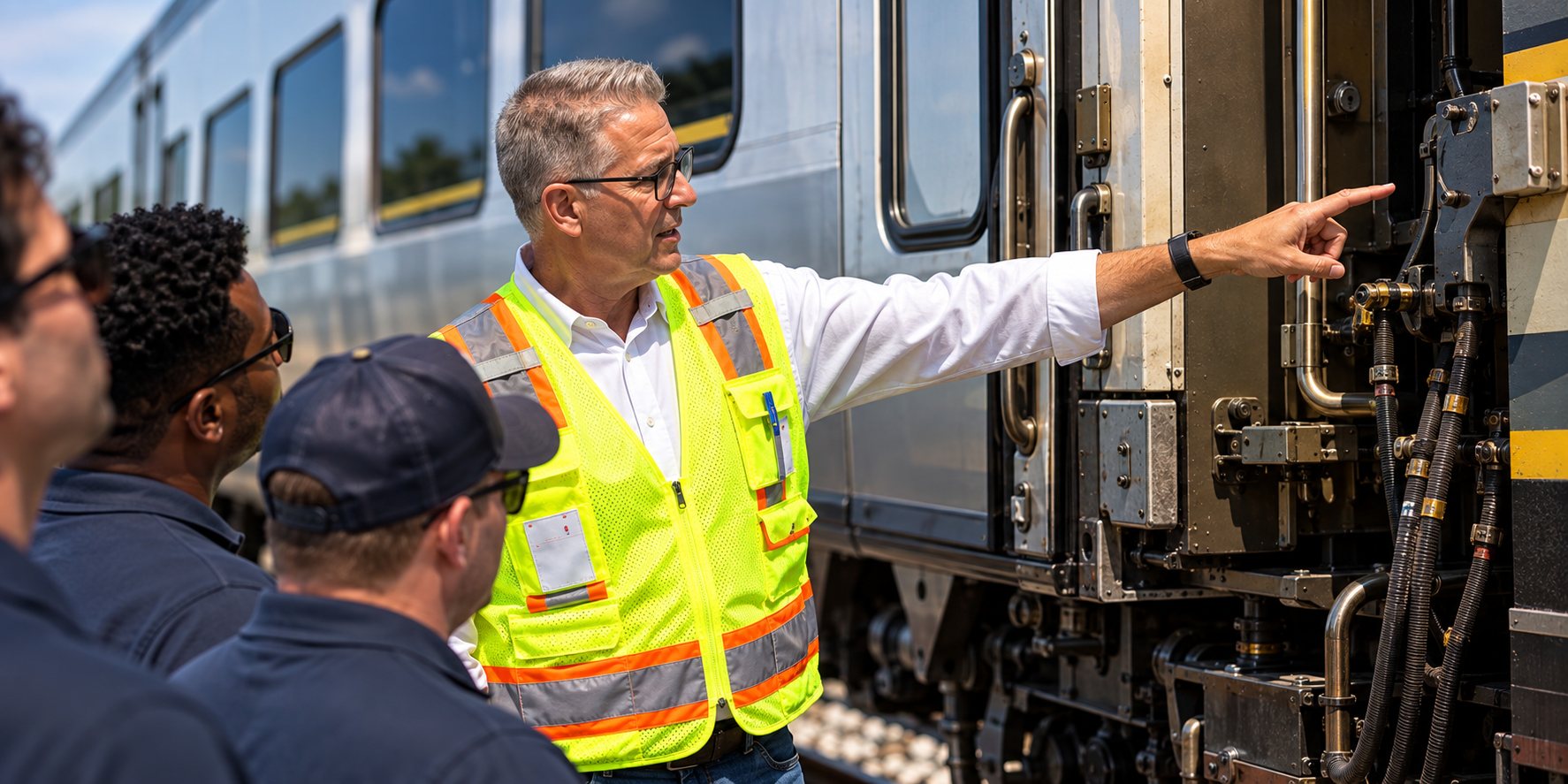
Experience changes what you notice.
The strongest safety programs are grounded in how the railroad actually operates. That perspective helps identify risk earlier, ask better questions, and build solutions that work in practice, not just on paper.
It informs system-safety review, regulatory compliance, training, investigations, corrective action, grade-crossing safety, emergency preparedness, and operational-readiness work—all focused on a safer railroad.
Building safety cultures for safer outcomes.